
Independent evidence-based advice on infrastructure planning, policy and priorities to benefit all Australians





Ports Capacity and Connectivity
Header description
Australia’s ports underpin national productivity and export competitiveness, connecting producers, freight networks and global markets.
Ports Capacity and Connectivity
Header description
Australia’s ports underpin national productivity and export competitiveness, connecting producers, freight networks and global markets.
Airports
Ports Capacity and Connectivity
Header description
Australia’s ports underpin national productivity and export competitiveness, connecting producers, freight networks and global markets.
Maritime Precincts
Ports Capacity and Connectivity
Header description
Australia’s ports underpin national productivity and export competitiveness, connecting producers, freight networks and global markets.
Maritime Ports: Bulk
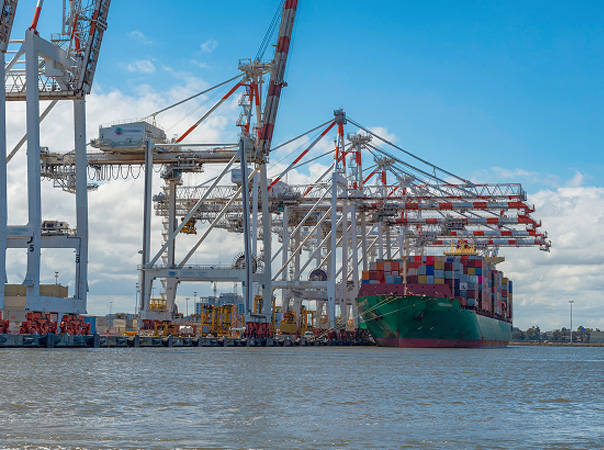
Australia’s bulk portsviii are among the largest in the world, supported by world-class supply chains and rail infrastructure. The Port of Port Hedland and Port of Newcastle are the world’s largest export hubs for iron ore and coal respectively.60,61 Western Australia, New South Wales and Queensland collectively capture 86% of Australia’s export trade by value, and 95% by volume.62
Ports Capacity and Connectivity
Header description
Australia’s ports underpin national productivity and export competitiveness, connecting producers, freight networks and global markets.
Maritime Ports: Containers
High Productivity Freight Networks
Header description
Australia’s freight networks are the backbone of domestic supply chains, enabling the efficient movement of goods across vast distances and supporting the nation’s economic growth and resilience.
Summary: Infrastructure response and investment priorities
High Productivity Freight Networks
Header description
Australia’s freight networks are the backbone of domestic supply chains, enabling the efficient movement of goods across vast distances and supporting the nation’s economic growth and resilience.
Road freight
Road freight plays an important role in Australia’s freight network, but it comes with significant environmental and infrastructure challenges. Road is the dominant mode of transport for moving non-bulk freight – accounting for almost 80% of non-bulk freight in 2024-25.13 Road transport accounts for around 83% of Australia’s transport emissions, with heavy vehicles contributing 23% of total transport emissions.12
High Productivity Freight Networks
Header description
Australia’s freight networks are the backbone of domestic supply chains, enabling the efficient movement of goods across vast distances and supporting the nation’s economic growth and resilience.
Rail freight
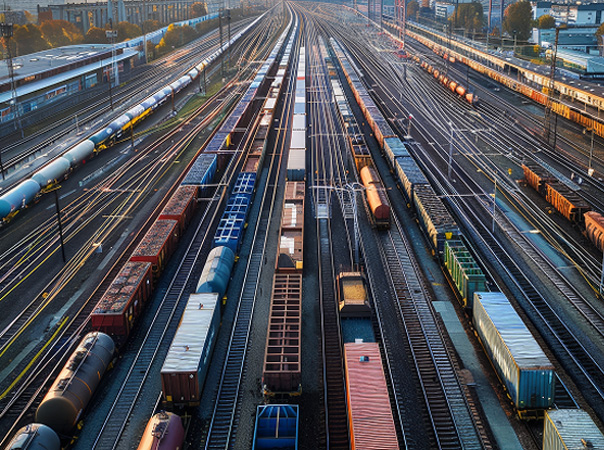
Rail freight plays a crucial role in meeting Australia’s growing freight task. The shift of freight from road to rail will significantly reduce road congestion, lower GHG emissions, increase productivity and enhance network reliability and road safety. Rail freight produces 16 times less carbon emissions per tonne-kilometre compared to road freight, highlighting the impact of rail in supporting Australia’s decarbonisation goals.14
Overview
Header description
Targeted investment in new and upgraded nationally significant infrastructure is crucial to advancing Australian Government policies aimed at boosting national productivity.

Infrastructure Australia’s analysis of nationally significant infrastructure needs
Overview
Header description
Targeted investment in new and upgraded nationally significant infrastructure is crucial to advancing Australian Government policies aimed at boosting national productivity.