
Secure, Sustainable Water for Growth
Header description
Australia’s growing population, expanding industries, shifting climate and ageing water assets are increasing pressure on urban, regional and remote water systems, requiring sustained investment in secure, reliable and climate resilient water infrastructure.
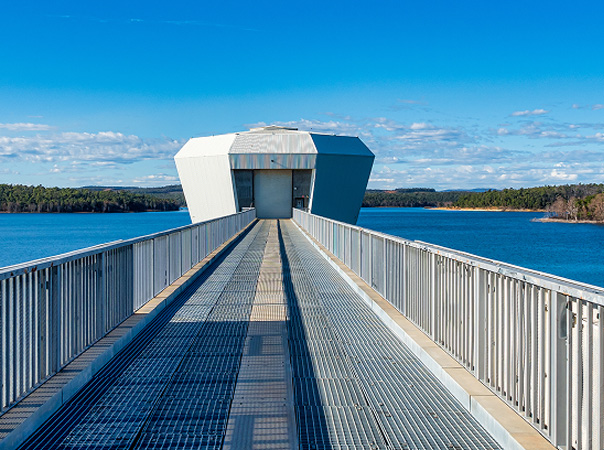
Australia is the driest inhabited continent and has the highest per capita surface water storage capacity of any country in the world.103
Population growth is increasing demand for urban water, resulting in a need to maintain existing and develop new water supply options.104 While across Australia there are different water supply mixes, many sources are climate-dependent, meaning they are influenced by rates of rainfall and temperature. This includes surface water in rivers and dams, as well as groundwater, which is affected by recharge rates.
Secure, sustainable and climate-independent water sources and services, such as desalination and recycled water, are critical to meet growing and competing needs. While costly, these sources address the declining supply and reliability of surface and groundwater resources.
Increasing demands from agriculture and other established water-dependent industries, such as energy, mining, manufacturing and tourism, is being added to by emerging industries including hydrogen, critical minerals, advanced manufacturing and data centres. Water demand for data centres is expected to grow and increase pressure on already constrained water availability.105 Significant investment in water supply options will be needed to cater to this demand.
Water and wastewater infrastructure services Australia through a complex network of assets for production, storage, treatment and distribution. Population growth, climate change, evolving user expectations and ageing infrastructure are increasing pressure on the performance of this network and increasing the risk of system failures, non-compliance and service disruptions.106,107 Digital technologies will continue to play a critical role in addressing these challenges by enabling network optimisation, enhancing scenario planning and improving operational efficiency. Modern and well-maintained water and wastewater infrastructure assets and networks are key to meeting Australia’s water needs, now and in the future.
Once finalised, the Australian Government’s new National Water Agreement seeks to guide a coordinated approach to water resource management to make sure Australia can effectively address current and future water challenges, including those associated with climate change and increasing demand. Parties to the agreement will develop action plans to detail what they will do to achieve the agreement’s objectives, although states and territories will continue to be responsible for the regulation, planning, management and allocation of water resources, including the development and maintenance of water infrastructure.