
High-Capacity Transport for Growing Cities
Header description
Australia’s transport networks connect people, places and opportunities across our cities and regions, supporting access to jobs, housing and essential services.
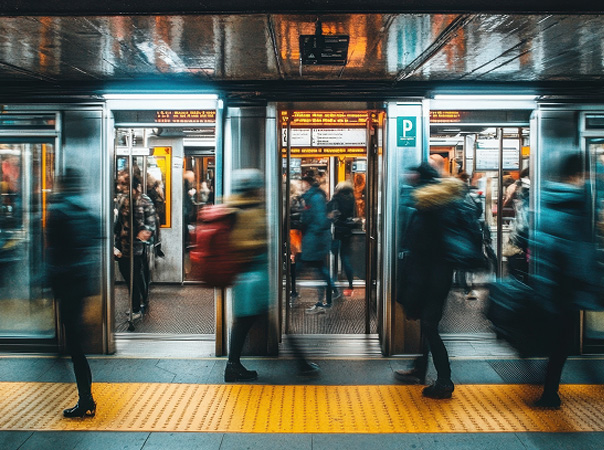
Australia’s growing population and economic activity are increasing pressure on urban and regional transport networks. Most daily travel continues to rely on private vehicles, despite the need for efficient and reliable public transport growing across metropolitan and regional areas. As populations in Australian cities continue to grow, mass transit must carry more of the transport task. As seen internationally, mass transit systems are the foundation for efficient transport in the world’s largest cities.
High-capacity public transport will be important for the liveability of Australia’s major cities and for driving productivity, improving accessibility, and supporting well-located housing growth.
The National Housing Accord commits Australian governments to 1.2 million80 new well-located homes over 5 years from mid-2024. The majority (77%) of this new housing supply is expected to be delivered in Queensland, New South Wales and Victoria. Jurisdictions consistently identify the importance of enabling infrastructure (such as water, sewerage, energy, communications and transport) in unlocking and supporting new housing, but almost all are having difficulty providing it, particularly for new greenfield housing development. Infill areas suited to higher-density housing development can also be constrained by infrastructure gaps and the high cost of enabling infrastructure.81 The timing and sequencing of enabling transport infrastructure is important to ensuring housing can be delivered where and when it is needed.
Further investments in urban roads across Australian cities are needed to accommodate new housing, population growth and support productivity considering growing congestion. However, building more roads alone will not be a long-term solution to congestion. Encouraging modal shifts to mass transit public transport will improve the ability of Australians to move around the places they live, work and learn, and help achieve more productive cities. Buses and active transport – walking and cycling – are an integral component of high functioning, multi-modal transport systems. However, these transport modes alone will not provide the scale or capacity to address the passenger volumes in Australia’s largest or fastest growing cities, especially for new housing developments in the greater growth areas of the major capital cities.
Through its Infrastructure Policy Statement, the Australian Government has committed to investing in projects that increase the role of mass transit in the urban commuter task to help develop more productive central business districts and precincts. Noting significant investments by Australian Government in public transport in recent decades, it is important that governments continue to develop and deliver a consistent pipeline of infrastructure projects that improve and increase access to public transport, particularly in our major cities.