


 EVALUATION COMPLETE



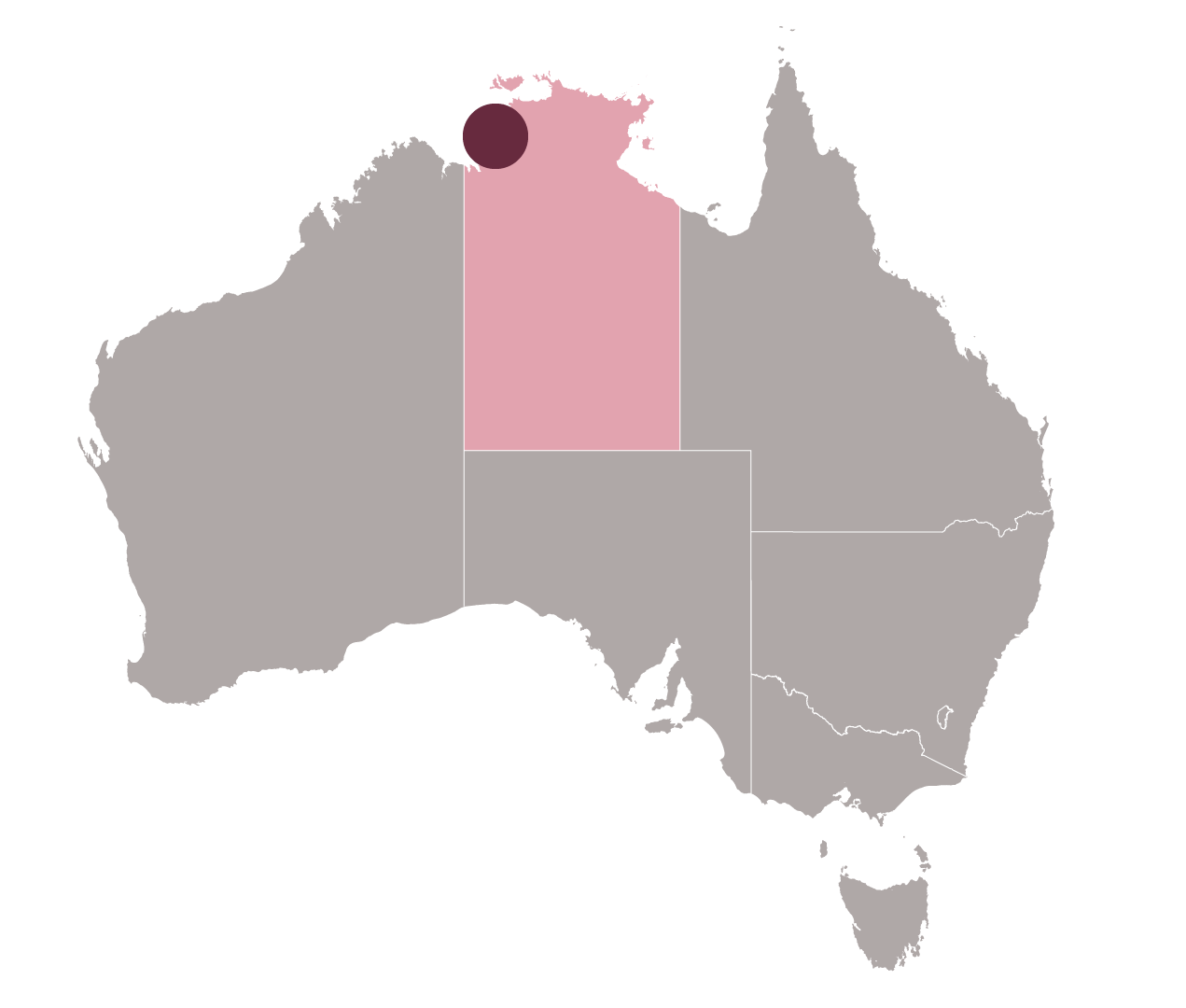
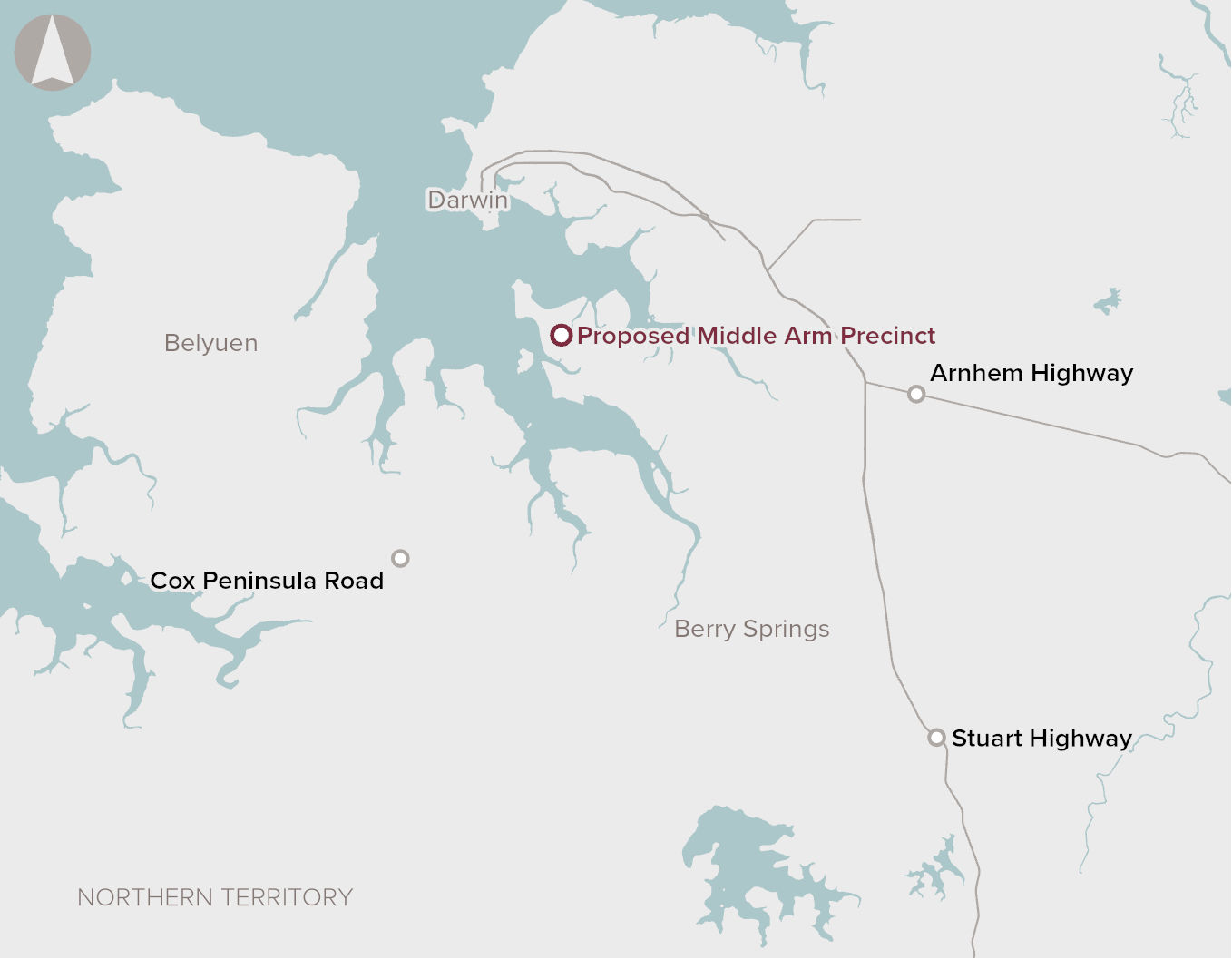
This proposal responds to a need for additional common user infrastructure at the Middle Arm Precinct. Existing marine infrastructure and serviced land at the Darwin Port are limited, constraining growth in liquefied natural gas (LNG) exports, advanced manufacturing and low-emissions industries. The proposal aligns with the Northern Australia Action Plan 2024–2029, which prioritises accelerating industry growth, strengthening economic resilience and expanding northern Australia’s renewable energy export capacity. The Middle Arm Precinct is planned to leverage the Northern Territory’s unique natural advantages, including its strategic location, abundant solar resources and rich energy and mineral endowments, to unlock new market opportunities and underpin long-term economic security.
PROPOSAL DESCRIPTION
The proposal is for the development of common user infrastructure within the Middle Arm Precinct. This multi-user industrial precinct will support economic diversification, export growth for LNG and export opportunities for green hydrogen and critical minerals, and the transition to low-emission energy. The proposal seeks to deliver shared enabling infrastructure that will support multiple industries to operate efficiently and reliably.
INVESTMENT RECOMMENDATION
The Australian Government should consider prioritising the proposal for planning investment to support completion of a Final Business Case. The Australian Government has committed $1.5 billion in equity to support construction of common user infrastructure at the Middle Arm Precinct.
OPPORTUNITIES AND OUTCOMES
This proposal has the potential to:
- Strengthen Australia’s international competitiveness and export growth – precinct development would attract a diverse mix of industries, strengthen Australia’s export capabilities and enable higher export rates of key commodities such as liquified natural gas.
- Support new industry development and Australia’s energy transition – common user infrastructure provides certainty and confidence for investment in new and emerging industries such as hydrogen, minerals processing and carbon capture and storage solutions, which will help Australia transition to a low emissions economy.
- Support regional economic growth – new jobs and commercial opportunities would expand the local economy and support growth.
NEXT STEPS
Proponent to develop a Final Business Case (Stage 3 of Infrastructure Australia’s Assessment Framework) that:
- demonstrates how common user infrastructure at the Middle Arm Precinct will underpin industry development and create export value and economic diversification
- includes the full program of projects and sequencing in response to forecast demand and industry engagement, including mechanisms to manage any timing mismatches between public infrastructure delivery and private proponent readiness
- includes demand modelling to link infrastructure provision with private sector investment and project timing
- details stakeholder engagement including consultation with the Larrakia people as Traditional Owners, ensuring consideration of cultural heritage impacts and ecosystem risks
- outlines planning pathways for environmental and statutory approvals, including a comprehensive risk management framework.