


 EVALUATION COMPLETE



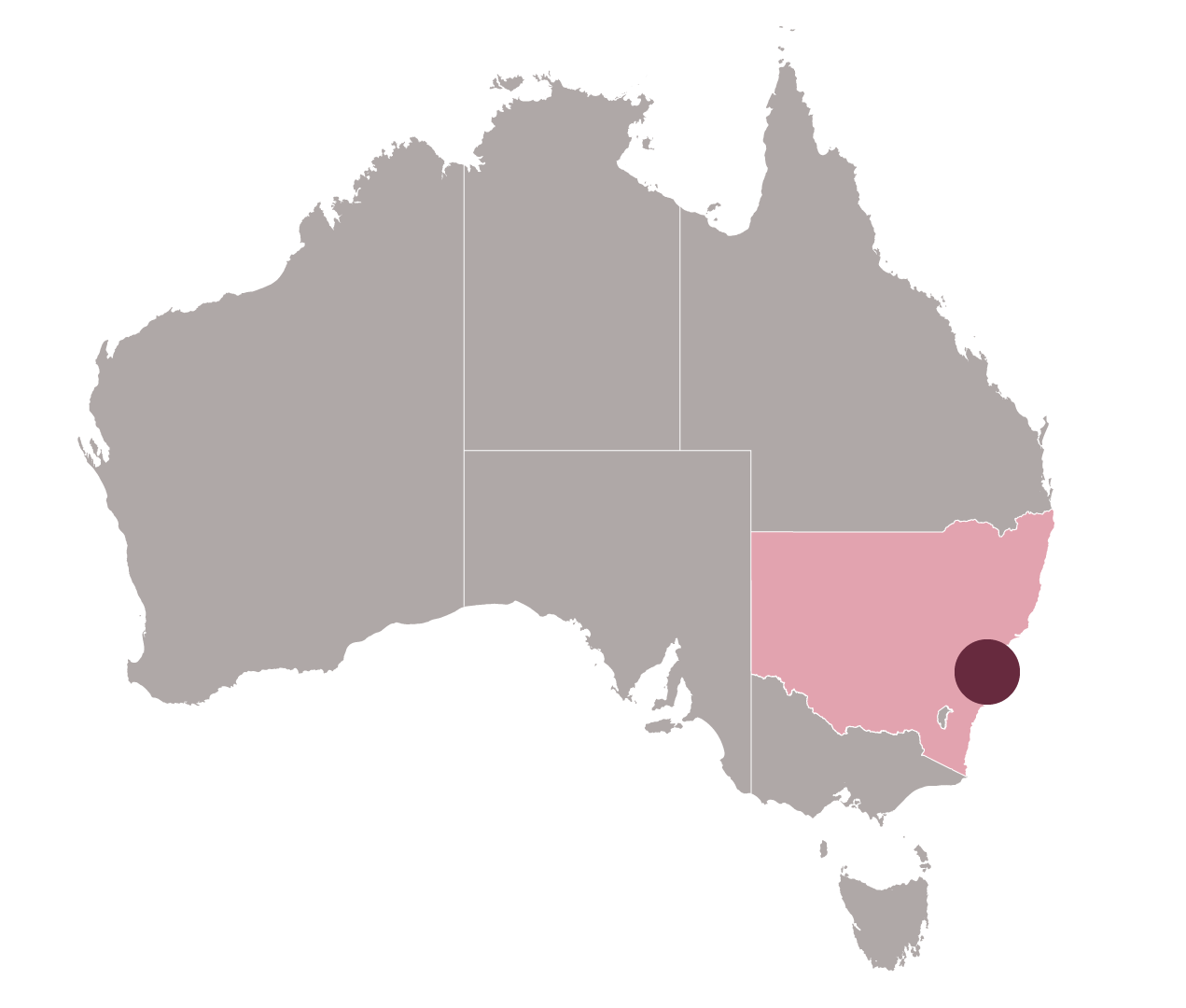
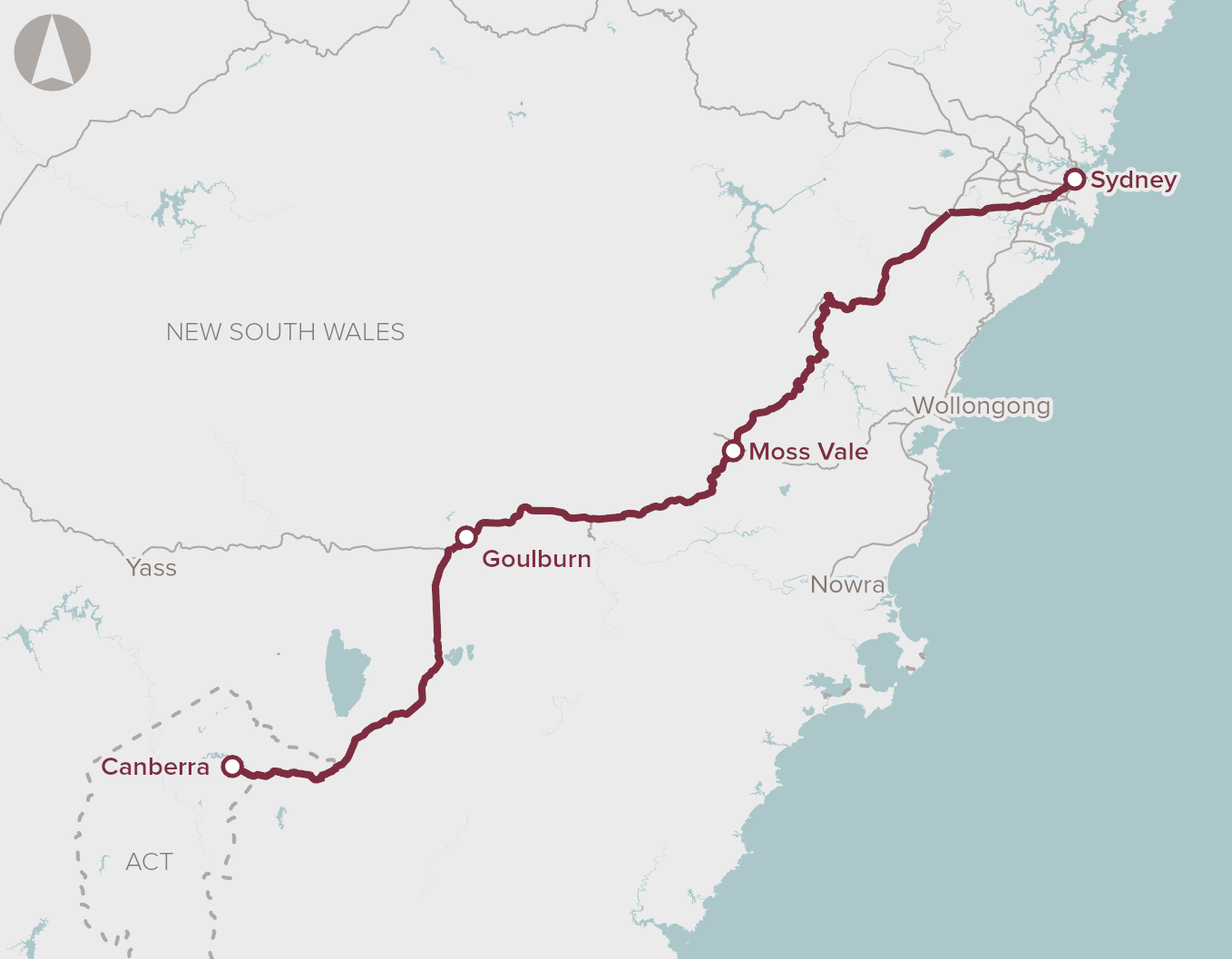
The Sydney-Canberra corridor plays a significant role in Australia’s regional transport network. Upgrading the corridor supports improved liveability and passenger and freight productivity through better connectivity between Sydney and Canberra and their economies. Improved rail services will also provide a competitive and sustainable alternative to driving or flying.
The proposal aligns with themes of the Australian Government’s Infrastructure Policy Statement, including supporting improved productivity, connectivity and sustainability. The proposal also aligns to Australia’s Net Zero Plan by identifying options to reduce emissions, improve connectivity, and enable higher-density housing.
PROPOSAL DESCRIPTION
Upgrading the Sydney-Canberra rail line would enable faster and more reliable services. This could be achieved through a combination of targeted infrastructure and system improvements, including track realignment and duplication, formation renewal, electrification, signalling improvements, and new rolling stock. These upgrades to the rail line are intended to improve travel-time reliability for passengers, provide a more competitive alternative to air and road travel, and should integrate with proposed high-speed rail services.
The proposal requires a coordinated approach between the Australian Capital Territory and New South Wales governments, as well as the Australian Government and the Australian Rail Track Corporation.
INVESTMENT RECOMMENDATION
The Australian Government should note this proposal as a potential future investment opportunity within the 2-4 year pipeline.
OPPORTUNITIES AND OUTCOMES
This proposal has the potential to:
- Support Australia’s regional transport network – improvements to the rail corridor would support reduced rail travel times and the provision of additional services in metro and regional areas.
- Improve network resilience and travel reliability – addressing capacity and connectivity issues on the Sydney to Canberra rail line would reduce reliance on the road network and improve travel performance during peak periods.
- Support increased housing development – upgrades to improve rail services between Sydney and Canberra would support housing development at railway station precincts and contribute to national housing targets.
- Improve productivity – improvements to the rail corridor would support freight productivity and resilience, benefiting industries and supply chains.
- Improve liveability – addressing track speed restrictions and chokepoints would increase accessibility between the capital cities and key regional centres – supporting housing affordability and availability.
- Support sustainability outcomes – faster and more efficient rail services would encourage greater service uptake, helping to reduce emissions from road and air travel.
NEXT STEPS
Proponents to progress development of potential investment options (Stage 2 of Infrastructure Australia’s Assessment Framework) including:
- identifying a range of upgrade packages based on scale, benefit, cost, ability to stage and feasibility – any upgrades should be compatible with broader National Network for Interoperability objectives
- considering an approach to digital signalling to ensure compliance with European Train Control System (ETCS) standards where the proposal aligns with, interfaces with, or provides access to, the National Network for Interoperability.
- scoping a preferred package of short and medium-term improvements considering longer-term high-speed rail aspirations for the Brisbane-Sydney-Canberra-Melbourne corridor
- developing an Investment Strategy in partnership with the Australian Capital Territory, New South Wales and Australian Governments.