


 EVALUATION COMPLETE



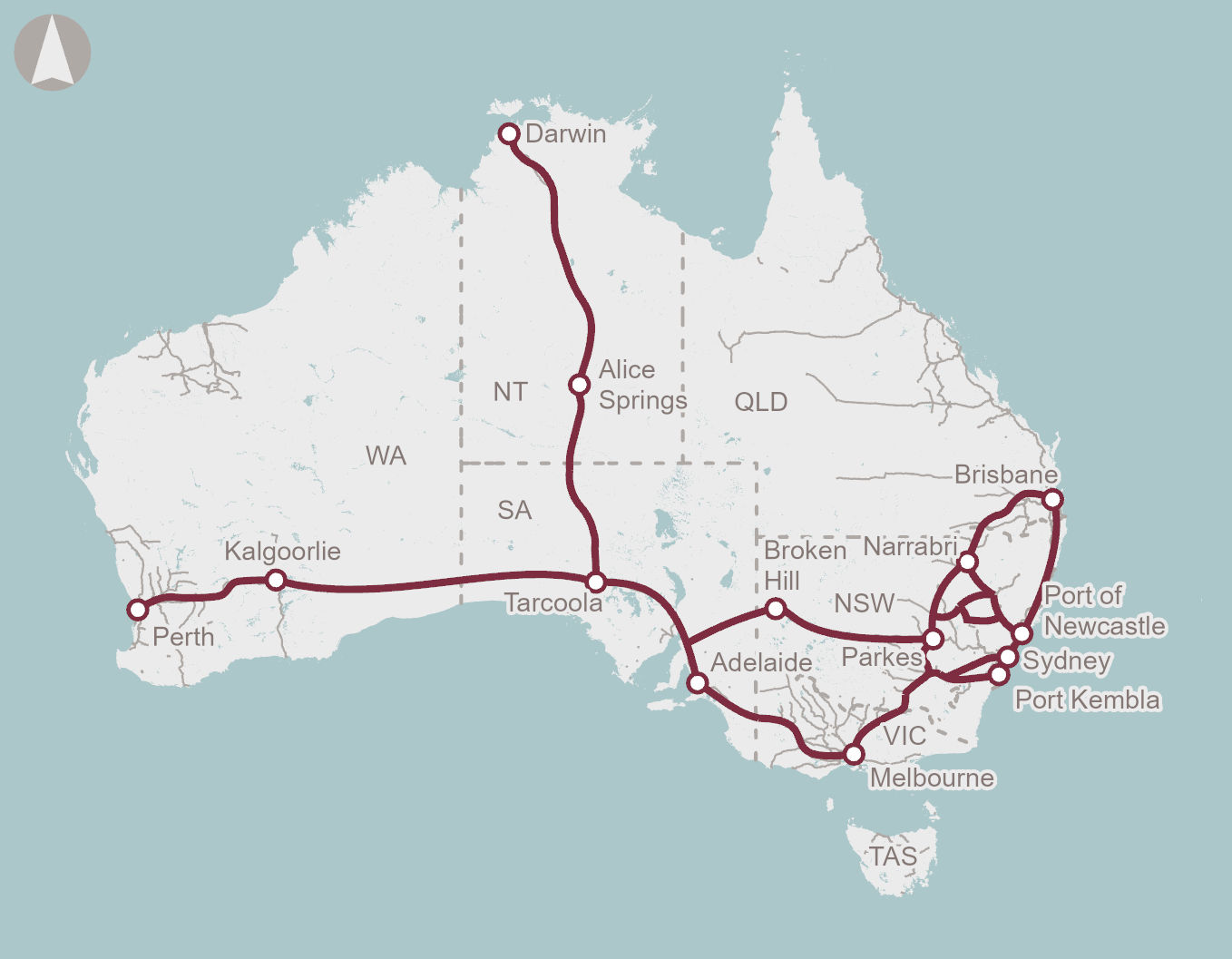
Australia’s growing freight task and decarbonisation goals require a national shift toward more productive, reliable and interoperable rail systems. This proposal responds to this need by working to implement consistent digital signalling and train control technology across the National Network for Interoperability (NNI), enabling interoperable operations at key interstate and metropolitan interfaces and supporting a more productive national rail system. Identified in the National Rail Action Plan as important for delivering safer and more efficient freight corridors across the interstate network, the NNI provides the foundation for nationally coordinated rail operations. The proposal is also aligned with the Infrastructure Policy Statement and the National Freight and Supply Chain Strategy in prioritising increasing interoperability across the rail sector, which has the potential to reduce congestion, emissions and supply chain costs.
PROPOSAL DESCRIPTION
This proposal involves national rollout of interoperable digital signalling and train control technology across the NNI, including trackside and on‑board systems, supported by a national strategy for rollout sequencing, rolling‑stock fitment and coordinated governance.
INVESTMENT RECOMMENDATION
The Australian Government should note this proposal as a potential future investment opportunity within the 2-4 year pipeline.
OPPORTUNITIES AND OUTCOMES
This proposal has the potential to:
- Improve productivity and supply chain efficiency – the digitalisation and interoperability of train control and signalling systems is a generational opportunity to lift the productivity of freight rail across Australia.
- Support decarbonisation and mode shift – improved rail performance would help shift more freight from road to rail, reducing emissions, enhancing safety and lowering heavy‑vehicle impacts on road networks.
- Improve Australia’s transport network – interoperable train-borne technology and signalling infrastructure would improve the safety of the interstate freight and passenger rail network and unlock the cost efficiencies and environmental benefits of rail.
- Increase the capacity and resilience of the rail network – the interoperability of digital signalling and train control technology would enable growth in freight and passenger services and future proof network expansion.
NEXT STEPS
Proponent to develop:
- a national strategy for delivery of track side infrastructure rollout, including a non‑urban technology solution
- a rolling‑stock fitment strategy that sequences upgrades to maximise early benefits for networks already implementing digital signalling technology on the NNI
- governance and cost‑sharing arrangements to coordinate implementation across jurisdictions and infrastructure managers, including the Australian Rail Track Corporation.