


 EVALUATION COMPLETE



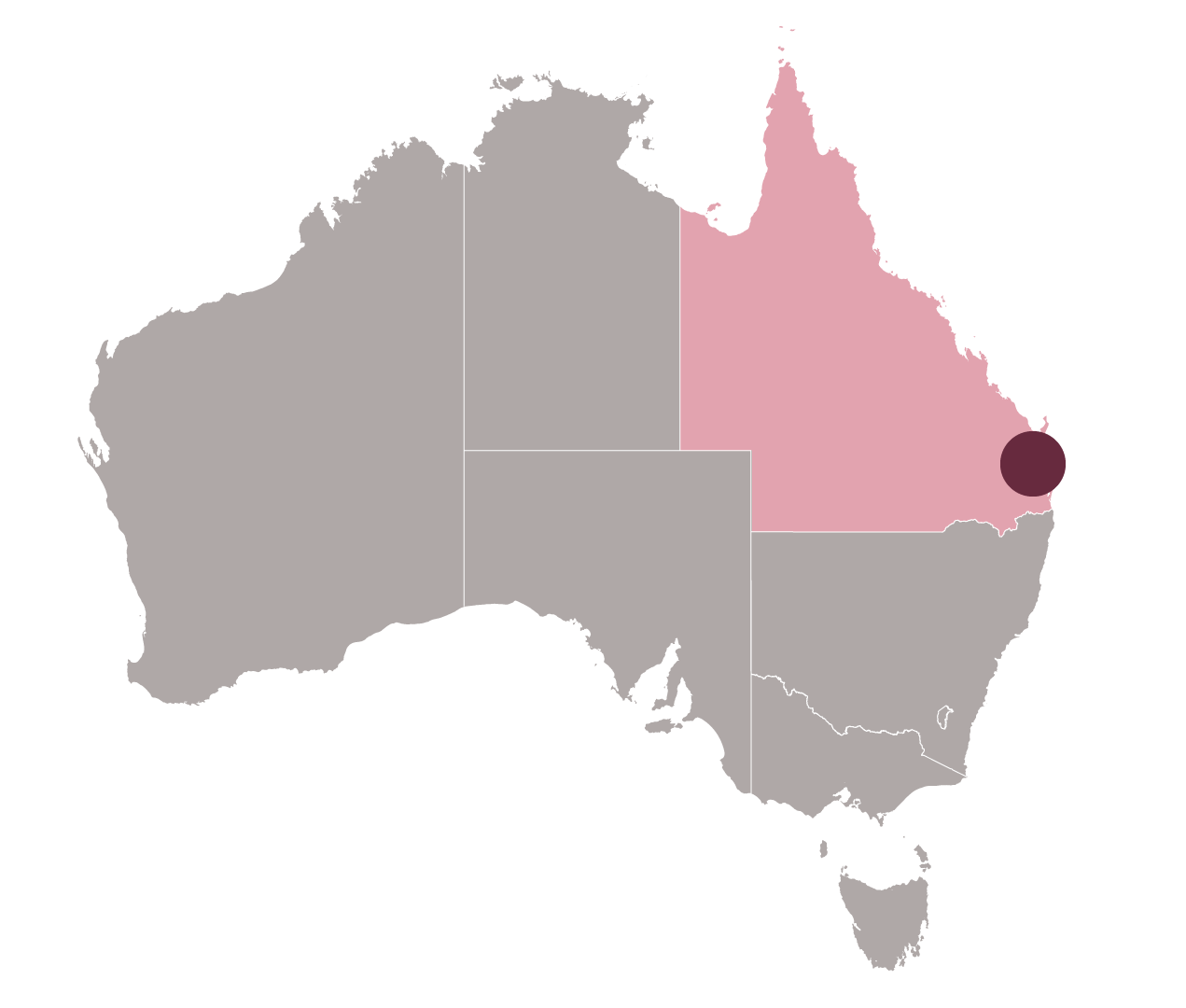
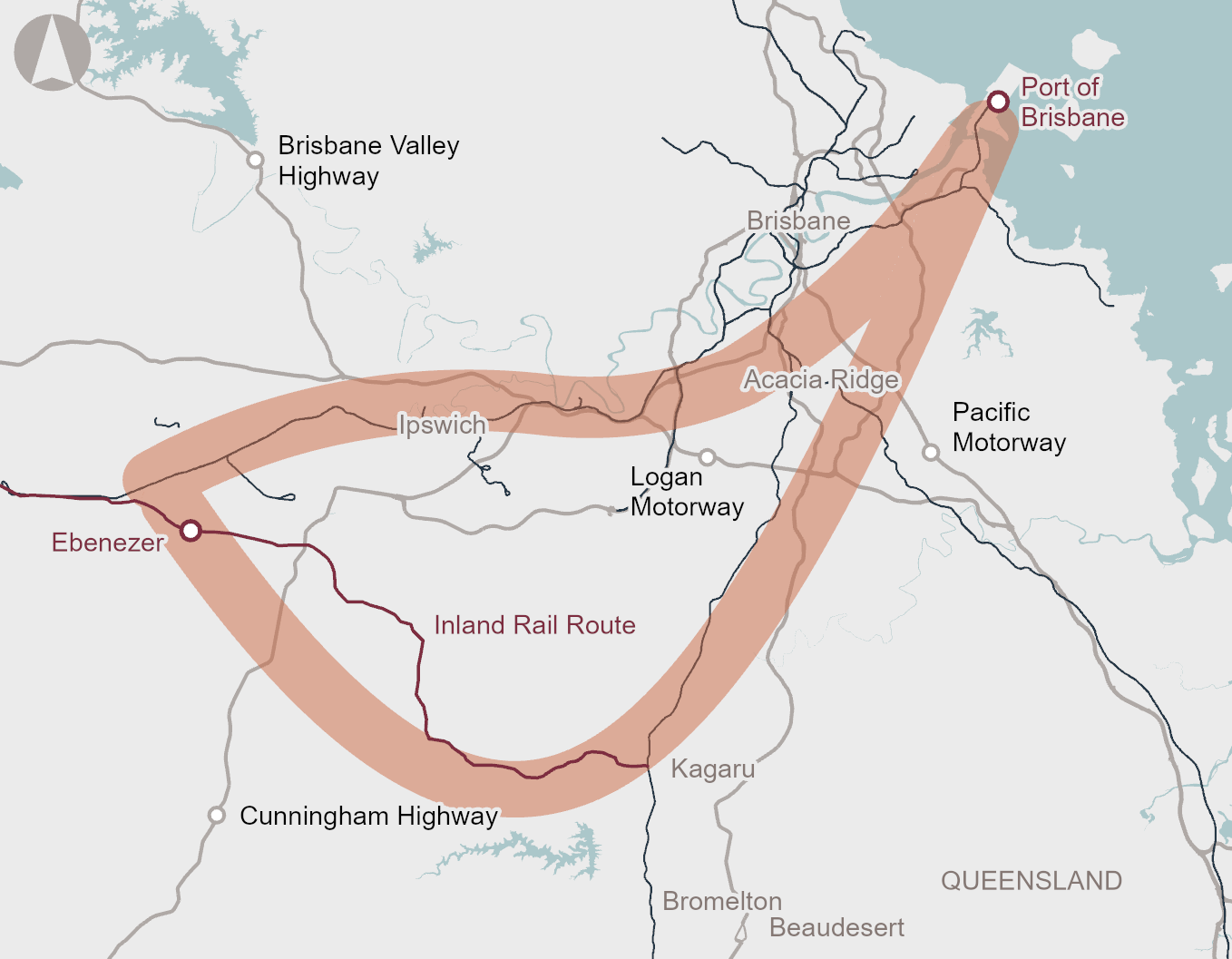
The Port of Brisbane is a nationally significant trade gateway, which requires efficient and reliable movement of goods to and from the port. The Port of Brisbane freight rail improvements proposal seeks to address the need for improved freight rail access to the Port of Brisbane, which would also reduce road congestion and support decarbonisation objectives. The proposal aligns with the National Freight and Supply Chain Strategy, which calls for efficient and resilient freight infrastructure to support projected growth of up to 26% in the domestic freight task by 2050. The proposal also aligns with the Infrastructure Policy Statement by supporting long-term productivity growth and seeking to address constraints on the movement of rail freight through Brisbane. It also supports enhanced connectivity and productivity of rail freight movements on the National Network for Interoperability (NNI) and the broader national rail system, including the proposed Inland Rail corridor and the existing interstate freight rail line connecting to the Port of Brisbane.
PROPOSAL DESCRIPTION
The proposal involves investigating network constraints and identifying upgrade options to provide sufficient capacity and efficiency between the Port of Brisbane and the wider rail network, including future Inland Rail. The proposal’s objectives include enabling a modal shift from road to rail, reducing congestion, supporting economic growth in Queensland’s export sectors, and improving the resilience and productivity of national supply chains.
INVESTMENT RECOMMENDATION
The Australian Government should note this proposal as a potential future investment opportunity within the 5-10 year pipeline. The Australian Government has committed $20 million to support planning and business case development.
OPPORTUNITIES AND OUTCOMES
This proposal has the potential to:
- Improve freight productivity and reliability – targeted rail freight upgrades would provide additional capacity and access for freight movements.
- Ease congestion pressures and support reduced emissions – shifting freight from road to rail would alleviate pressure on Brisbane’s road network by reducing heavy vehicle traffic, which would lower greenhouse gas emissions and support Australia’s decarbonisation goals.
- Strengthen supply chain resilience – more rail freight capacity would help to accommodate forecast growth in freight volumes.
- Improve network integration and operational efficiency – targeted upgrades would enhance connectivity between the interstate network and the Port of Brisbane, reducing bottlenecks and supporting better coordination between freight operators and the broader rail system.
NEXT STEPS
Proponent to progress detailed planning and business case development (in line with Infrastructure Australia’s Assessment Framework), including:
- confirmation of demand forecasts, and delivery model
- consideration of the approach to digital signalling to ensure compliance with European Train Control System (ETCS) standards where the proposal interfaces with, or provides access to, the NNI (such as the existing interstate Sydney to Brisbane coastal rail line)
- engagement with relevant agencies to ensure integration with the NNI and Inland Rail to maximise network benefits.