


 EVALUATION COMPLETE



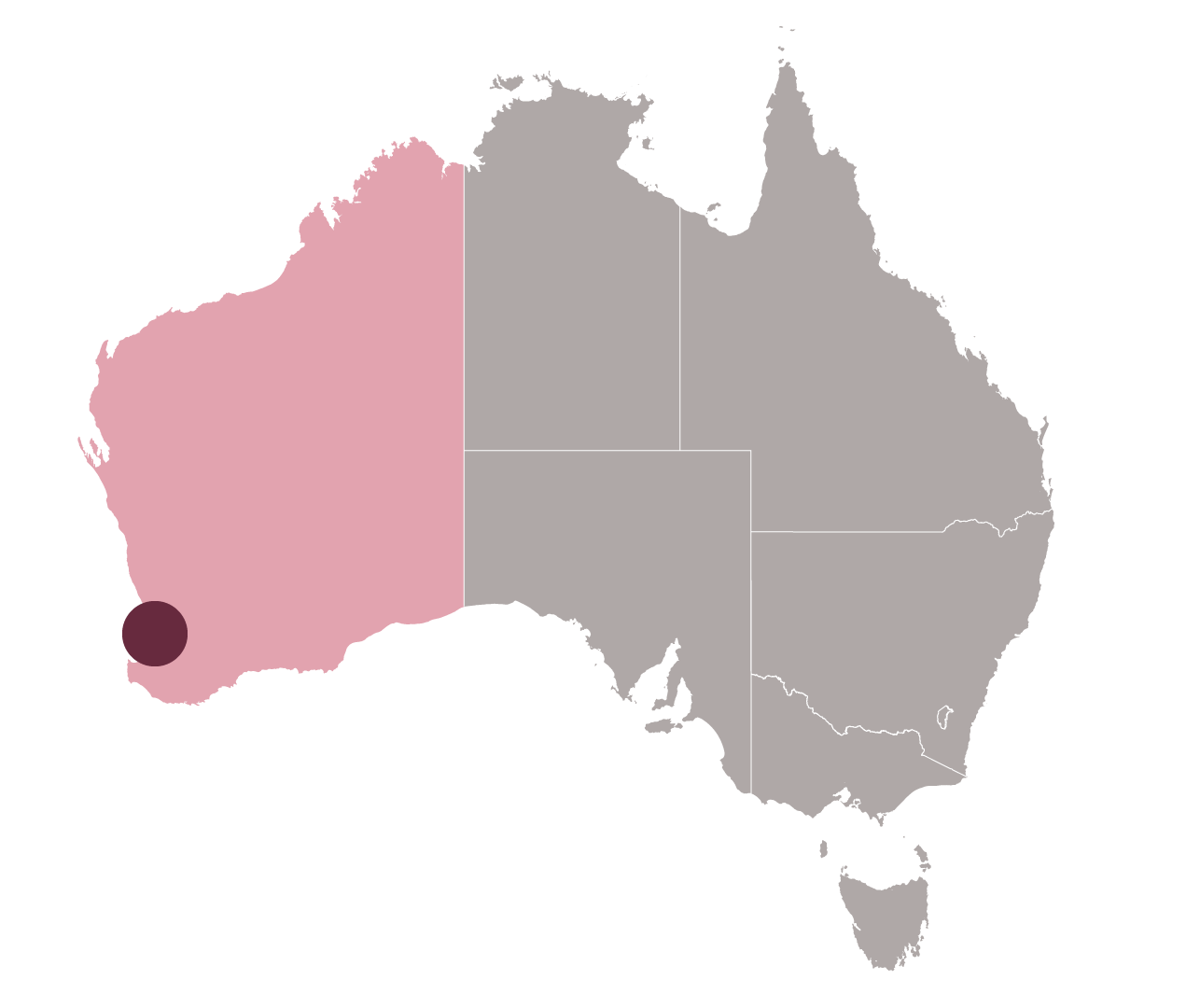
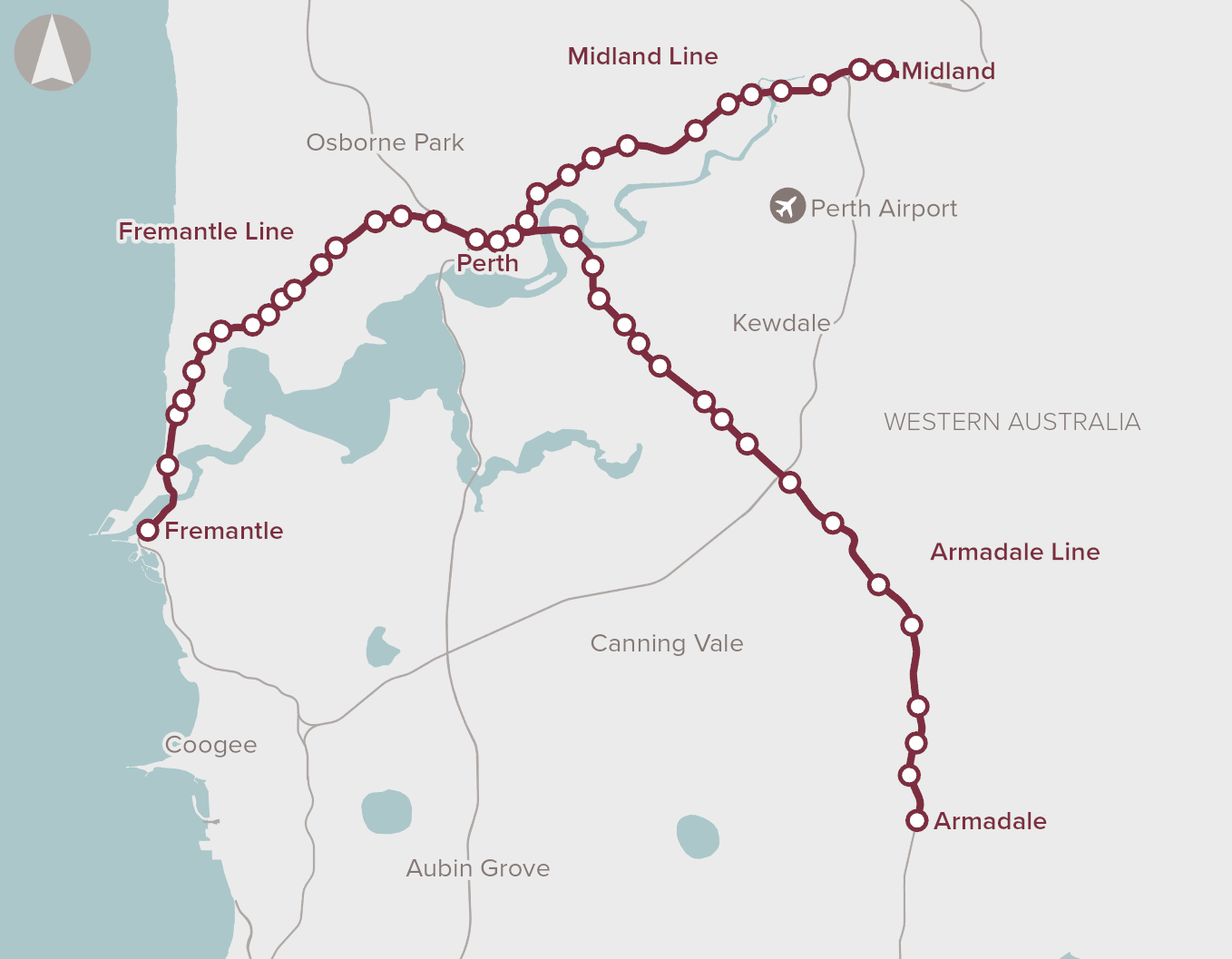
The capacity of the Armadale, Midland and Fremantle lines is insufficient to accommodate forecast population and employment growth, leading to crowding, reduced travel reliability and potentially increased road congestion if people choose not to travel by rail. Additionally, much of the signalling, rolling stock and station assets on these ‘heritage’ lines are nearing the end of their useful life, creating challenges in safely operating the network.
The proposal is aligned with the Infrastructure Policy Statement by supporting productivity, connectivity and safety through increased rail capacity, improved service reliability and renewal of ageing assets on key corridors. The proposal is also consistent with the National Urban Policy, which emphasises the role of public transport in supporting liveable and inclusive cities.
The National Network for Interoperability (NNI) identifies Australia’s key interstate freight and passenger rail corridors to support harmonisation of operations across jurisdictions. Infrastructure and Transport Ministers have agreed that the European Train Control System (ETCS) is the future technology pathway for the NNI, and that any future digital signalling and train control system introduced on the NNI must comply with mandatory ETCS standards. This requirement applies to all digital signalling upgrades delivered directly on NNI corridors, including upgrades to urban passenger networks where they interface with, or provide access to, the NNI, to ensure interoperability across jurisdictions and support efficient freight and passenger movements.
PROPOSAL DESCRIPTION
This proposal involves a series of platform extensions and signalling upgrades across the Armadale, Midland and Fremantle lines, allowing the use of higher capacity six-car trains. These upgrades are intended to be implemented through a program of works, referred to as the Platform and Signalling Upgrade Program.
Existing interstate freight travelling on the NNI through the PTA network, which includes the Midland Line and the Fremantle Line, is very low and expected to cease entirely when freight rail migrates to Westport in the future. As such, the interoperability benefits from implementing ETCS technology on these lines would be minimal. The PTA will continue to provide a conventional signalling system to enable the continued operation for trains prior to the migration to Westport, supporting ongoing freight movements.
INVESTMENT RECOMMENDATION
The Australian Government should note this proposal as a potential future investment opportunity within the 2-4 year pipeline.
OPPORTUNITIES AND OUTCOMES
This proposal has the potential to:
- Increase the capacity of the rail network – upgrades would support use of high-capacity trains, increasing capacity on the Armadale, Midland and Fremantle lines and providing services to meet forecast population and passenger growth.
- Improve network resilience and travel reliability – expanding high capacity public transport options would reduce reliance on the road network and improve performance during peak periods.
- Support liveability, employment and housing growth – increased capacity and improved reliability across the heritage lines would improve access to jobs, education and services, and support urban infill and higher density residential development near upgraded stations.
- Support sustainability outcomes – improved reliability of travel times and reduced crowding on trains would improve the attractiveness of public transport and encourage mode shift from private vehicles, supporting a reduction in transport emissions.
NEXT STEPS
Proponent to develop Final Business Cases (Stage 3 of Infrastructure Australia’s Assessment Framework) for components of the program as required. Proponent should also consider an approach to digital signalling to ensure compliance with European Train Control System (ETCS) standards where metropolitan networks interface with, or provide access to, the National Network for Interoperability.