


 EVALUATION COMPLETE



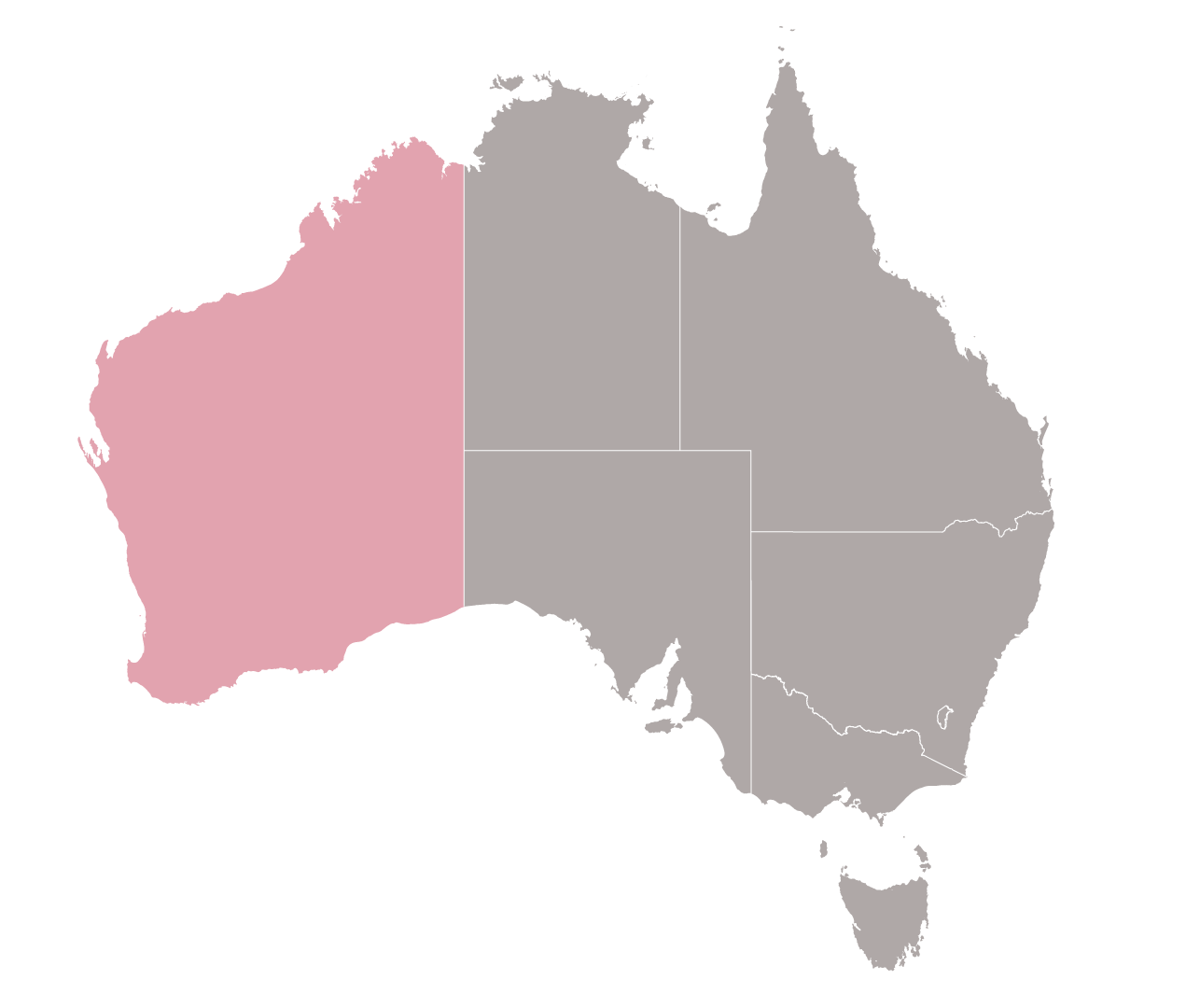
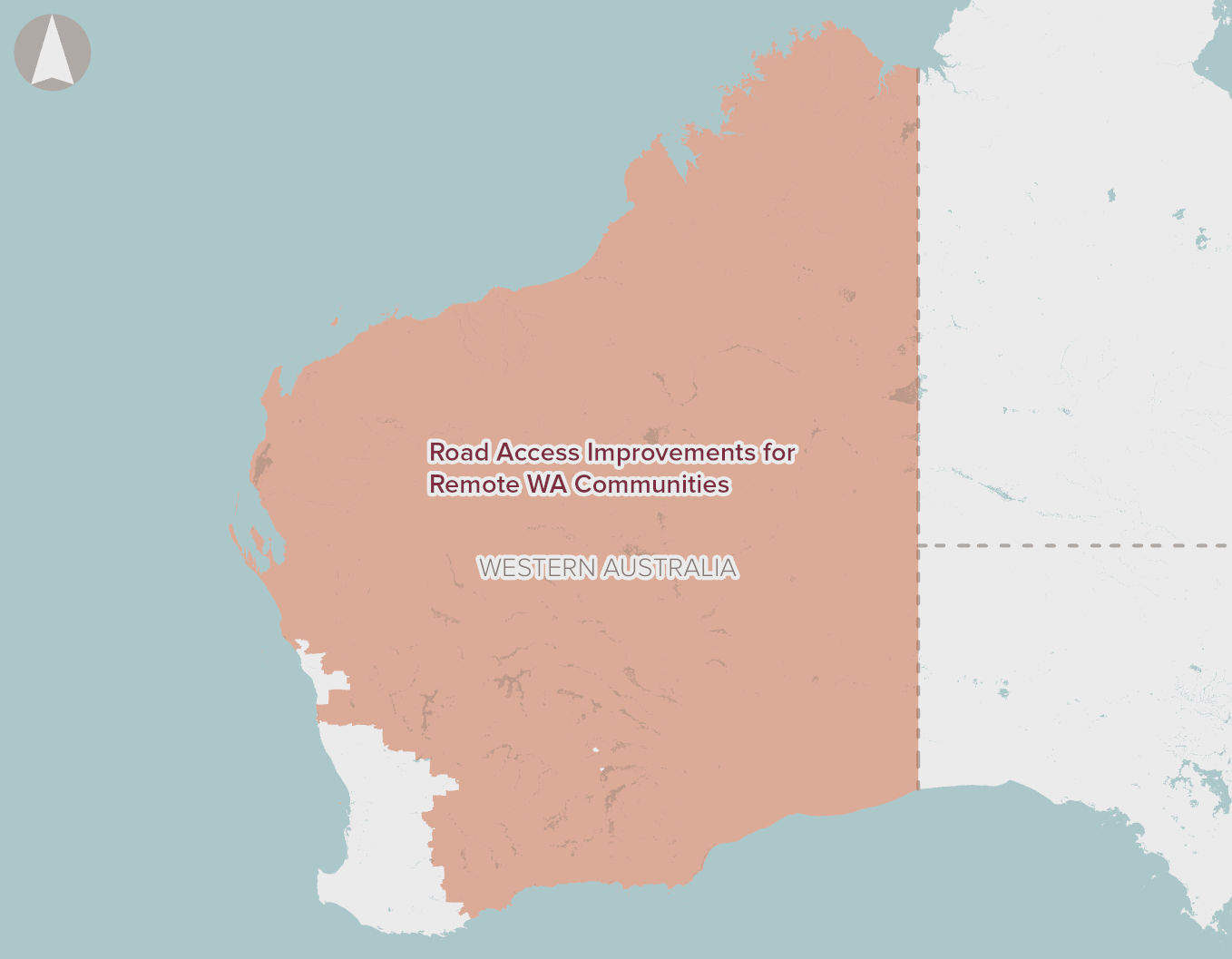
Ensuring regional and remote communities have reliable access to essential goods and services is a national priority. Sub-standard, flood-prone, and poorly maintained access roads currently isolate over 15,000 people in 200 remote communities, especially during the wet season. This isolation disrupts essential services, increases freight costs, and undermines economic participation.
The proposal aligns with the Infrastructure Policy Statement (IPS) by improving liveability and equity of access for remote and First Nations communities. Strengthening the resilience of access roads also supports the IPS objective of connecting and supporting communities to withstand climate impacts, particularly flooding and seasonal disruption. The proposal aims to safeguard critical supply chains for regional and remote communities, addressing national priorities such as food security, and regional equity by improving all-weather access, reducing travel times, and enhancing supply chain reliability.
PROPOSAL DESCRIPTION
Remote First Nations communities across Western Australia face significant and persistent challenges due to poor quality and unreliable road access. The Road access improvements for remote Western Australia communities proposal seeks to upgrade and maintain access roads serving remote First Nations communities across Western Australia, aiming to improve year-round connectivity, reduce isolation, and enhance the delivery of essential services by addressing road quality, flood resilience, and maintenance governance gaps.
INVESTMENT RECOMMENDATION
The Australian Government should consider prioritising the proposal for planning investment, supporting the identification and development of priority improvements to address persistent access, safety and equity issues in remote communities.
OPPORTUNITIES AND OUTCOMES
This proposal has the potential to:
- Improve access to essential services – more reliable, all weather road connections would help remote and very remote communities – particularly First Nations communities – maintain consistent access to healthcare, education, policing and emergency response services.
- Enhance community safety and wellbeing – less frequent and severe wet-season road closures would strengthen community resilience, decrease emergency response delays and lower safety risks associated with poor quality roads and hazardous travel conditions.
- Improve supply chain reliability and affordability of essentials – more reliable road access would support reduced freight disruptions and detours, helping to improve the availability and lower the cost of essential goods such as food, fuel and medical supplies for remote communities.
- Support Closing the Gap commitments – upgrades to provide minimum service standards supports work towards meeting national and state targets for health, education, housing, safety and economic participation of First Nations peoples.
- Promote long-term economic participation – improved connectivity can support local employment and create economic opportunities for First Nations communities.
NEXT STEPS
Proponent to identify potential options (Stage 2 of Infrastructure Australia’s Assessment Framework), including:
- identifying value-for-money solutions and a prioritisation framework for the broader program
- developing a stakeholder engagement plan, including with First Nations communities and local governments
- developing a detailed governance and maintenance responsibilities, particularly for orphan roads
- identifying interactions with the National Land Transport Network and Key Freight Routes.

