


 EVALUATION COMPLETE



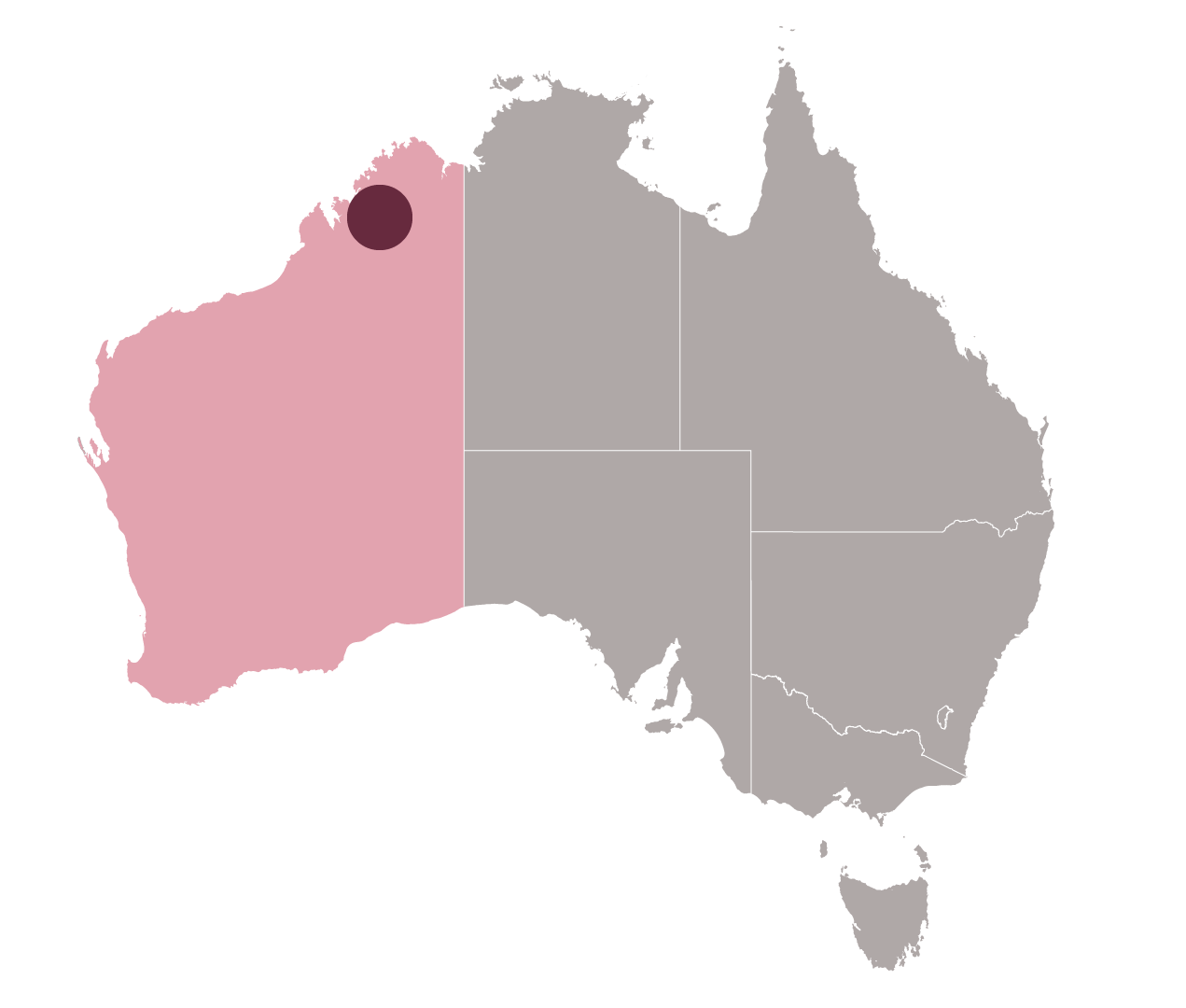
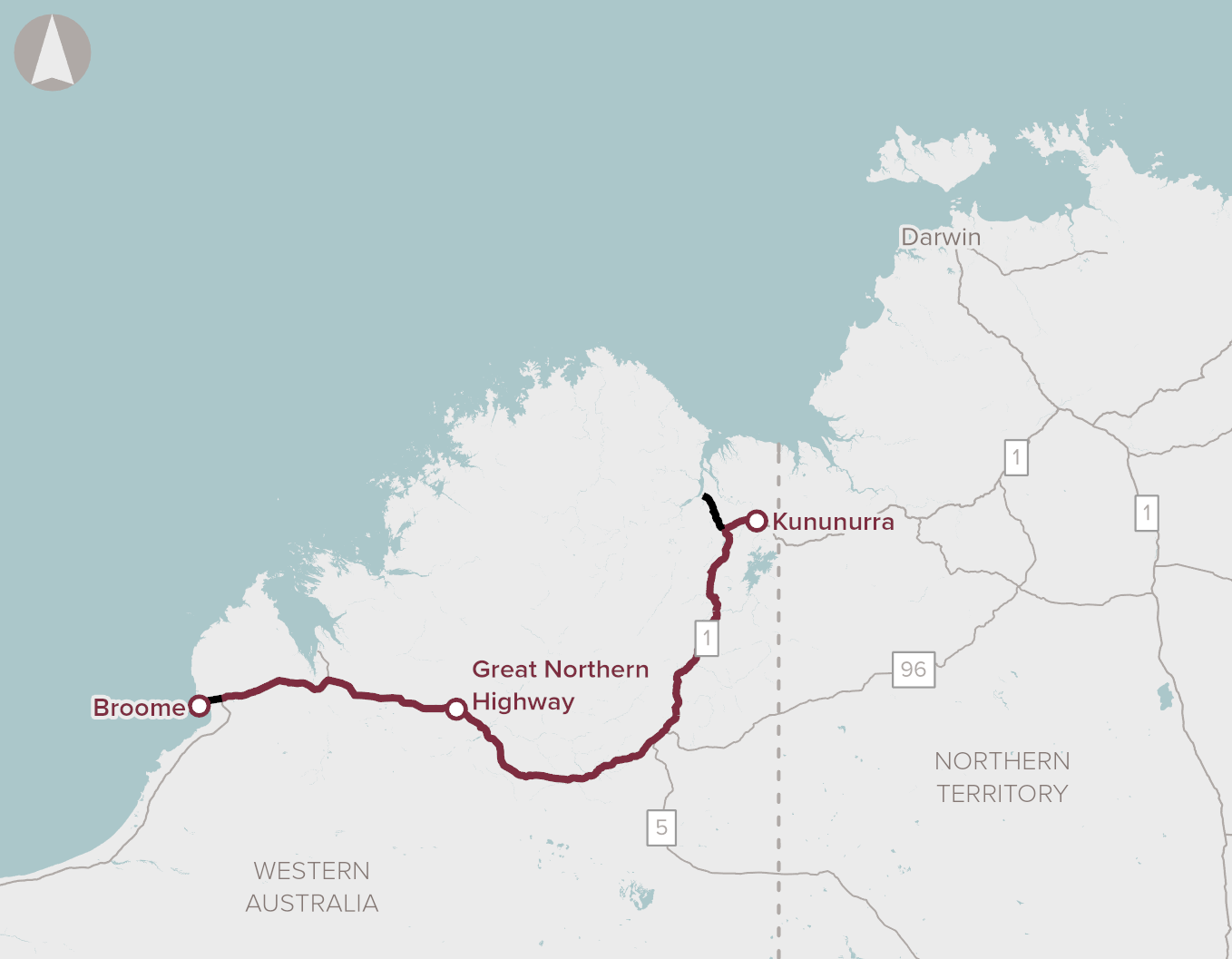
The Great Northern Highway is a key segment of the National Land Transport Network, supporting the movement of goods and people across the northern region of Western Australia and connecting to the Northern Territory. The Great Northern Highway is faced with a number of challenges, including unreliable access due to flooding, safety risks and efficiency constraints from narrow pavements, single-lane bridges and poor pavement condition. These challenges directly impact regional productivity and liveability, particularly for remote First Nations communities and industries reliant on the corridor.
The Great Northern Highway improvements – Broome to Kununurra proposal aligns with the Infrastructure Policy Statement, which emphasises targeted investment in transport infrastructure to strengthen resilience and improve equity of access. It also aligns with the National Freight and Supply Chain Strategy by prioritising resilient and efficient freight corridors to support economic growth, supply chain reliability, and improved access for regional and remote communities.
PROPOSAL DESCRIPTION
The proposal involves a program of upgrades to the Great Northern Highway between Broome and Kununurra, including widening narrow sections, strengthening and replacing bridges, and improving flood-prone segments to enhance safety, accessibility, and freight efficiency.
INVESTMENT RECOMMENDATION
The Australian Government should consider prioritising this proposal for planning investment, supporting the identification and development of the next priority upgrades needed to improve accessibility and safety on the Great Northern Highway.
OPPORTUNITIES AND OUTCOMES
This proposal has the potential to:
- Improve the resilience of a nationally significant freight corridor – upgrades would support reduced frequency and impact of road closures during the wet season, supporting supply chain continuity for mining, agriculture, and local businesses.
- Enhance road safety – improvements would address problematic sections where long narrow pavements and single-lane bridges increase crash risks for road users.
- Increase road freight efficiency – upgrades would enable safer and more reliable access for high productivity vehicles, supporting lower operating and maintenance costs.
- Improve liveability – greater connectivity and more reliable access to essential services would support improved liveability for remote First Nations communities, strengthening social and economic outcomes.
NEXT STEPS
Proponent to develop Final Business Cases (Stage 3 of Infrastructure Australia’s Assessment Framework) for components of the program for evaluation and investment consideration in the future. Planning should include:
- developing a staging strategy for program delivery
- undertaking environmental and heritage assessments.